
Have you ever wondered how everyday eating feels after jaw surgery, when healing depends on patience, texture choices, and careful timing more than appetite or cravings alone? Jaw surgery often feels overwhelming, especially when hunger meets strict dietary limits. Many patients say the first days raise simple but stressful questions. What can I eat without pain or damage? How soon will normal meals return? These concerns are completely valid and widely shared. According to our editor’s clinical reviews, food choices influence comfort, healing speed, and complication risks. Understanding what is safe removes anxiety and prevents unnecessary setbacks. Let’s walk through this together, calmly and practically, step by step.
Why eating matters after jaw surgery?
Eating after jaw surgery is not just about satisfying hunger. Food directly supports tissue repair, bone stability, and immune response. Poor nutrition can slow healing and increase infection risk. Many surgeons emphasize nutrition as part of recovery, not an afterthought. Chewing too early or choosing wrong textures may stress surgical sites. That stress can cause swelling, pain, or alignment problems. According to our editor’s observations, patients who follow food guidance heal more smoothly. Eating becomes a form of treatment during this phase.
What happens to your jaw during recovery?
After surgery, the jaw bones are stabilised using plates, screws, or wiring. Soft tissues around the jaw remain inflamed for several weeks. Muscles may feel stiff, weak, or unfamiliar during movement. Nerves can temporarily alter sensation, affecting taste or awareness. Because of this, chewing pressure must stay minimal initially. Even small movements can transmit force to healing bones. That is why texture matters more than flavour early on. Understanding this helps patients respect dietary limits.
Which foods are usually safe in the first days?
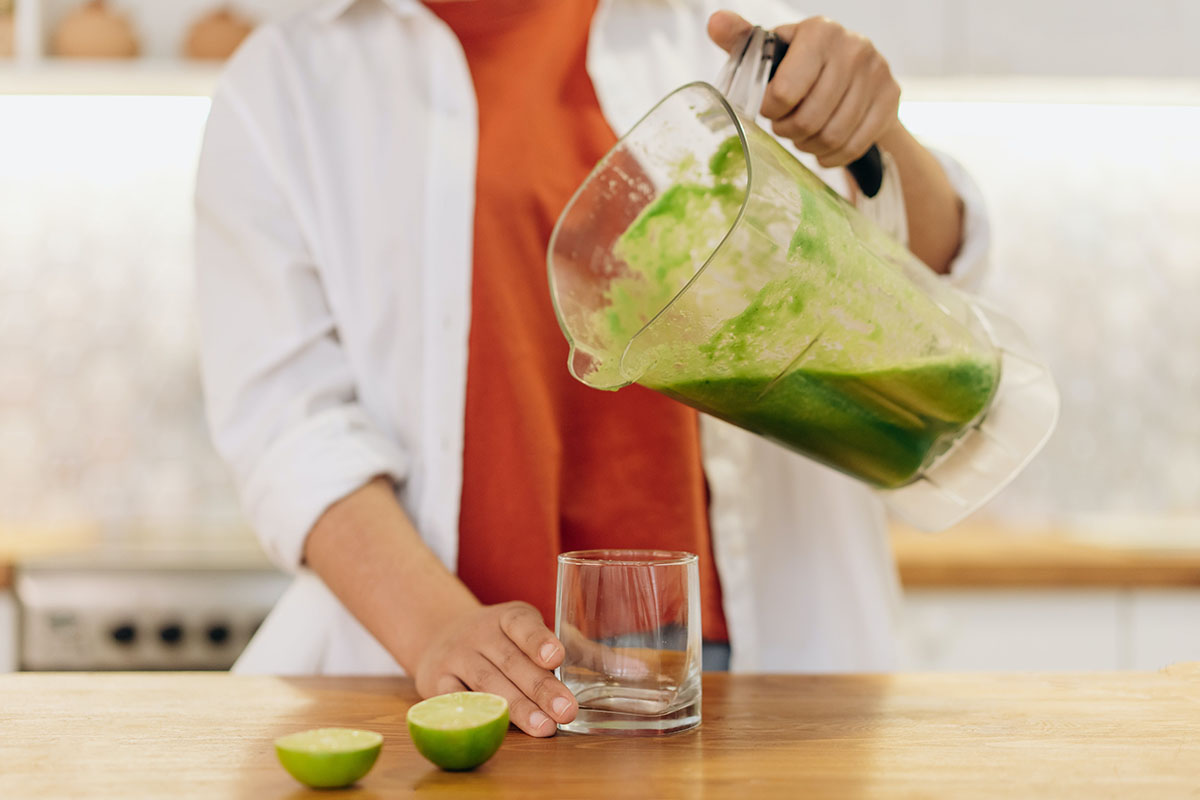
The earliest phase usually allows only liquid nutrition. This phase protects incisions and prevents jaw movement. Clear broths, blended soups, and nutritional drinks are common choices. Liquids should be smooth, lump free, and room temperature. Hot liquids may increase swelling and discomfort. Cold drinks can feel soothing but should not cause numbness. According to our editor’s nutritional notes, protein rich liquids are especially helpful. Hydration is equally important during this stage.
How long does the liquid diet usually last?
Liquid diets typically last one to two weeks. However, timing varies based on surgery type and healing progress. Some patients advance sooner under professional guidance. Others may need longer liquid phases due to swelling or fixation. Forcing progression rarely speeds recovery. Listening to your surgeon matters more than hunger cues. According to our editor’s clinical summaries, patience reduces complication rates. Each jaw heals at its own pace.
When can soft foods be introduced safely?
Soft foods usually follow the liquid phase. This stage introduces minimal chewing with careful control. Mashed potatoes, yoghurt, scrambled eggs, and oatmeal are common options. Foods should break easily with tongue pressure alone. Fork soft texture is a useful test here. Any discomfort during eating signals the need to pause. According to our editor’s recovery interviews, slow progression builds confidence. This stage often lasts several weeks.
What foods should be avoided completely?
Hard, crunchy, or sticky foods must be avoided early. These foods create unpredictable pressure on healing bones. Examples include nuts, crusty bread, raw vegetables, and chewing gum. Sticky foods can pull at surgical sites unexpectedly. Even small bites may cause significant strain. Alcohol should also be avoided initially due to swelling risks. According to our editor’s safety reviews, these restrictions prevent setbacks. Avoidance is temporary but essential.
How can you meet nutritional needs safely?
Meeting nutritional needs can feel challenging without normal meals. Protein intake is especially important for tissue repair. Blended meats, legumes, and dairy can help meet requirements. Vitamin rich fruits and vegetables should be blended smoothly. Calorie intake often drops unintentionally during recovery. Nutritional drinks can help bridge gaps safely. According to our editor’s dietary assessments, planning reduces weight loss. Balanced intake supports steady healing.
Is chewing ever allowed during recovery?
Chewing is gradually reintroduced under professional guidance. Early chewing often uses back teeth gently. Front biting is usually restricted longer. Chewing should feel controlled, not forced or painful. Pain is a warning sign, not progress. Jaw exercises may accompany dietary progression. According to our editor’s physiotherapy insights, coordination improves gradually. Never rush chewing milestones.
How does swelling affect eating choices?
Swelling limits mouth opening and jaw movement. This makes large utensils or thick textures difficult. Smaller spoons and shallow bowls often help. Eating slowly reduces fatigue and discomfort. Swelling usually peaks within the first week. Gradual improvement follows with proper care. According to our editor’s recovery tracking, swelling influences appetite patterns. Adjust expectations during this phase.
Can temperature of food make a difference?
Yes, temperature significantly affects comfort after surgery. Very hot foods may increase blood flow and swelling. Very cold foods may cause stiffness or sensitivity. Lukewarm foods are often best tolerated. Temperature extremes can also affect nerve sensations. Patients often discover personal preferences quickly. According to our editor’s patient notes, comfort guides better choices. Moderation is key with temperatures.
What about hydration during jaw recovery?
Hydration supports circulation and healing efficiency. Dry mouth is common due to medications. Sipping water regularly helps reduce discomfort. Straws may be restricted depending on surgical technique. Suction can disturb healing tissues in some cases. Always confirm straw use with your care team. According to our editor’s postoperative reviews, dehydration delays recovery. Consistent fluid intake is essential.
How do medications affect eating?
Pain medications can alter appetite and digestion. Some medications cause nausea or constipation. Eating small frequent meals may help manage side effects. Taking medications with approved foods reduces stomach irritation. Taste changes are also possible temporarily. These changes usually resolve as healing progresses. According to our editor’s medication summaries, awareness improves tolerance. Communicate side effects promptly.
What signs suggest a food is not safe yet?
Pain during chewing is a clear warning. Clicking or shifting sensations should not be ignored. Bleeding after eating suggests excessive movement. Increased swelling following meals may signal strain. Difficulty opening the mouth may indicate overuse. These signs warrant dietary regression. According to our editor’s clinical caution notes, early response prevents complications. Always err on the side of caution.
How do cultural food habits fit into recovery?
Cultural foods can often be adapted creatively. Traditional soups, stews, and porridges blend well. Spices should be mild initially to avoid irritation. Texture modification allows familiarity without risk. This helps emotional comfort during recovery. Food connects deeply with cultural identity. According to our editor’s patient stories, adaptation supports morale. Flexibility keeps recovery enjoyable.
Can eating affect speech and jaw movement?
Yes, eating influences muscle coordination and speech patterns. Overuse can fatigue healing muscles. Rest between meals is important initially. Speaking excessively during meals increases strain. Short, relaxed meals are often better tolerated. Jaw muscles strengthen gradually with use. According to our editor’s rehabilitation insights, balance prevents overloading. Respect muscle fatigue signals.
When do most people return to normal foods?
Most patients return to normal foods within six to twelve weeks. This depends on surgery complexity and healing response. Some foods may still feel uncomfortable initially. Gradual reintroduction remains important. Hard foods often return last. Confidence usually grows with each milestone. According to our editor’s long term follow ups, patience yields best outcomes. Normal eating does return for most.
Why following guidance really matters?
Ignoring dietary advice risks serious complications. Hardware failure and misalignment are possible consequences. Revisions may be required if healing is disrupted. Short term frustration avoids long term problems. Guidelines are based on surgical mechanics. They are not arbitrary restrictions. According to our editor’s expert consultations, compliance reduces repeat procedures. Your future comfort depends on today’s care.
How can you stay motivated during restrictions?
Recovery fatigue is common during long dietary limits. Setting small milestones helps maintain motivation. Tracking progress visually can be encouraging. Celebrating texture upgrades boosts morale. Support from family makes meals less isolating. Remember the purpose behind restrictions. According to our editor’s wellness observations, mindset influences recovery experience. This phase is temporary.
What questions should you always ask your care team?
Clarify texture progression timelines clearly. Ask about specific foods you miss. Confirm safe utensils and feeding techniques. Discuss any pain or unusual sensations promptly. Never assume progression without approval. Every surgical plan is slightly different. According to our editor’s communication reviews, questions prevent mistakes. Open dialogue supports safety.
What should you remember most during recovery?
Eating after jaw surgery requires patience and awareness. Comfort and safety matter more than speed. Texture control protects healing structures. Nutrition supports every stage of recovery. Your body provides feedback through pain and swelling. Listening prevents unnecessary setbacks. According to our editor’s overall analysis, informed patients recover with confidence. Healing is a process, not a race.