
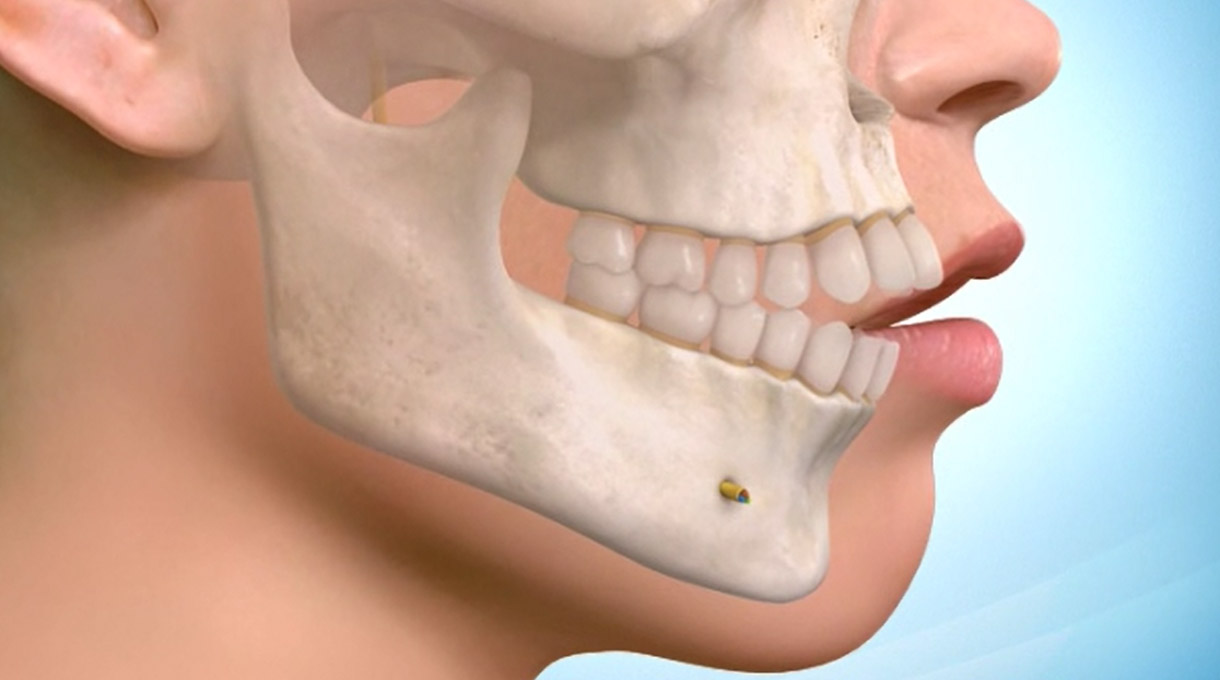
Orthognathic surgery often raises curiosity because it blends functional correction with aesthetic improvement, and understanding its risks and benefits helps patients build realistic expectations while navigating an emotionally complex decision that affects long-term comfort, facial balance, and daily wellbeing.
Why Do People Consider Orthognathic Surgery?
People consider orthognathic surgery when jaw alignment affects daily comfort because functional issues often appear gradually. Many individuals ignore mild symptoms for years until chewing becomes difficult. According to our editor’s research, several patients report late recognition of airway limitations. Small challenges may evolve into bigger concerns over time. Social discomfort also plays a role because facial alignment influences confidence. Some patients feel misunderstood when others assume concerns are purely cosmetic. The decision grows from a combination of physical strain and emotional weight. Patients often describe relief when a specialist finally explains the underlying structure. This clarity helps them understand why symptoms developed slowly. Choosing surgery becomes a turning point toward lasting stability.
What Functional Benefits Can Surgery Provide?
Functional benefits often motivate patients because jaw alignment influences essential daily activities. Chewing becomes more comfortable after proper repositioning. People who struggled with chronic jaw fatigue notice improved endurance during meals. As a result of our editor’s reviews, breathing improvements are widely reported. Opening the airway reduces nighttime disturbances. Patients also experience clearer speech because alignment supports smoother articulation. Chronic headache frequency may decrease when pressure balances properly. Melting away of long-term discomfort becomes a major emotional relief. Functional stability enhances overall quality of life. Many individuals express gratitude for daily improvements they once thought impossible. These benefits reinforce the value of structural correction.
How Does Appearance Change After Surgery?
Appearance changes naturally because adjusting the jaw alters facial proportions. Most individuals notice smoother harmony in side profiles. According to our editor’s research, many patients feel more confident after achieving balance. Subtle improvements often feel transformative even without dramatic reshaping. Repositioning supports symmetry between the lower and upper face. People sometimes report enhanced comfort when posing for photographs. Emotional impact plays a powerful role because self-image connects closely with physical alignment. Families may notice small refinements that create a sense of natural ease. Improved facial balance helps patients feel more like themselves. These changes unfold gradually during healing, creating steady adaptation.
What Are the Main Risks Involved?
Surgical risks deserve careful attention because orthognathic procedures involve bone repositioning. Infection remains a possibility despite preventive measures. Swelling may become intense during early days, making eating challenging. As a result of our editor’s reviews, most patients describe numbness as the most surprising effect. Sensation changes occur because nerves need time to recover. Temporary numbness may last months. In rare situations, some sensation changes persist. Bleeding or discomfort also require monitoring during recovery. Jaw stiffness may limit early movement. Emotional challenges appear as patients adapt to swelling. Understanding these risks reduces anxiety. Being prepared creates realistic expectations that support smoother recovery. Patients who stay informed handle challenges more calmly.
How Long Does Recovery Typically Take?
Recovery varies because healing depends on bone adaptation and individual habits. Most patients return to basic routines within weeks. Initial swelling reduces during the first month. As a result of our editor’s reviews, full recovery may take several months. Chewing strength returns slowly. Patients must follow soft diet guidelines to protect healing structures. Speech clarity improves as stiffness decreases. Emotional adjustment also plays a role because facial changes require adaptation. Family support helps manage temporary discomfort. Following medical instructions enhances stability. Most individuals feel significantly better as weeks progress. Recovery becomes smoother when patients accept the process as gradual rather than rushed.
What Emotional Challenges Should Patients Expect?
Emotional challenges often surprise individuals because physical discomfort interacts with daily stress. Swelling may affect self-confidence during early recovery. Many patients feel impatient when improvements progress slowly. According to our editor’s research, support from loved ones reduces emotional strain. Patients appreciate reassurance during vulnerable moments. Sleep patterns may shift because swelling disrupts comfort. Mood changes can appear due to altered routines. Accepting emotional fluctuation becomes part of healing. People report feeling more hopeful once early swelling fades. Emotional strength grows as physical improvements become noticeable. Patience helps individuals stay grounded throughout the journey.
How Important Is Pre-Surgery Planning?
Pre-surgery planning becomes essential because clear preparation reduces fear. Surgeons evaluate airway structures, dental alignment, and bone relationships. As a result of our editor’s reviews, thorough planning improves outcomes. Patients undergo imaging to visualize jaw movement. Clear explanations help ease uncertainty. Understanding each step creates confidence. Specialists discuss realistic expectations to avoid disappointment. Proper planning aligns surgical goals with functional needs. Patients who prepare mindfully manage recovery more effectively. Families who engage in planning also feel more secure. Preparation builds trust between the patient and surgical team, supporting a smoother experience.
What Should Patients Know About Post-Surgery Care?
Post-surgery care requires consistency because small details influence healing. Maintaining oral hygiene becomes essential to prevent infection. Patients must follow dietary guidelines carefully. According to our editor’s research, hydration improves comfort during early swelling. Regular follow-up visits ensure stable progress. Gentle movements help reduce stiffness. Rest supports tissue repair. Emotional support remains important during the early phase. Patients should avoid heavy physical activity until cleared by specialists. Taking medications as prescribed helps reduce discomfort. Post-surgery routines become easier with time. Clear guidance empowers patients to stay committed to healing.
How Does Orthognathic Surgery Affect Long-Term Health?
Long-term health benefits emerge gradually because jaw alignment influences multiple systems. Breathing efficiency often improves noticeably. People with chronic sleep disturbances may experience significant relief. As a result of our editor’s reviews, balanced jaw structure supports better digestion because chewing becomes smoother. Dental stability improves when pressure distributes properly. Reduced strain helps prevent long-term wear. Better airway function enhances energy levels. Patients who struggled with chronic discomfort often report renewed daily comfort. Emotional well-being also increases because confidence improves. Long-term stability encourages healthier routines.
Can Patients Expect Permanent Results?
Permanent results are common because bone repositioning creates structural change. Most individuals enjoy long-lasting stability after healing. According to our editor’s research, proper post-surgery care protects results. Retainers and dental guidance maintain alignment. Patients should continue routine dental visits. Healthy habits support long-term comfort. Structural improvements remain stable unless strong external factors appear. People appreciate the sense of permanence after completing the long journey. Confidence grows as daily comfort improves. Permanent results often justify the demanding recovery period. Patients feel rewarded for staying committed.
How Should Families Support the Patient?
Family support becomes crucial because emotional reassurance strengthens resilience. Patients need calm environments during early recovery. Loved ones can assist with meals and daily tasks. As a result of our editor’s reviews, supportive conversations ease anxiety. Families should avoid overwhelming the patient with questions. Encouraging rest helps promote healing. Small gestures create big emotional comfort. Monitoring the patient carefully ensures stability. Loved ones can help manage appointments. Patience strengthens trust naturally. Supportive families influence emotional and physical recovery significantly.
What Practical Tips Help Patients Prepare Mentally?
Mental preparation helps patients approach surgery with confidence. Understanding realistic timelines reduces frustration. According to our editor’s research, journaling improves emotional clarity. Some patients practice relaxation techniques before surgery. Discussing concerns openly with specialists creates reassurance. Knowing that emotional ups and downs are normal helps maintain balance. Planning ahead for meals and routines reduces stress. Visualizing positive outcomes increases motivation. Many individuals feel stronger after building mental readiness. Mental preparation becomes a protective tool throughout recovery.